
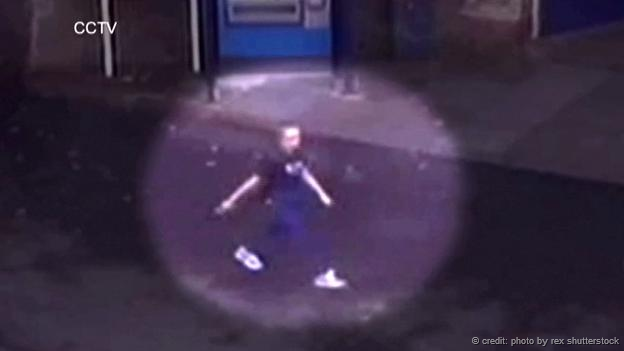
Police officers with the rare ability to recognise faces they’ve barely glimpsed are helping identify criminals: take a test to find out if you share their talent On 28 August 2014, 14-year-old Alice Gross went missing in West London. She was last seen on CCTV walking along a canal towpath in the summer rain, toting her black backpack. London’s Metropolitan Police deployed their biggest search party since the 2005 London bombings – a team of 600 officers spread across eight forces – to find her. But it was only after using the CCTV to piece together the events that they discovered the teenager’s body, nearly five weeks later, in the River Brent. They also zeroed in on a suspect: Latvian construction worker Arnis Zalkalns.
Throughout the operation, a special team of 10 officers in the Metropolitan Police were testing out their skills formally for the very first time. They were called the super-recognisers. “The attitude used to be anyone with two eyes can view CCTV, but not everyone sees things in the same way,” says Ch Det Insp Mick Neville, head of the Central Forensic Image Team. This elite group viewed thousands of hours of grainy, low-quality footage and, within days, identified both the victim and the as-yet-unknown suspect Zalkalns. They also were able to map out their movements precisely enough to draw a timeline and help conclude the case. Their special skill? A super-human ability to instantly recognise faces they barely know.
Scientists are only just beginning to understand why some people have the skill and how it works. Progress is being made in identifying who possesses it, though – and there is even an online test anyone can take to see if they might qualify.

